ProelioSoft Enterprise Software Solutions. Built to Perform.

ProelioSoft

Enterprise Software Solutions. Built to Perform.

Latest Articles

The Fractured Workforce: Quantifying What Context Switching Actually Costs Enterprise Development Teams
Enterprise Strategy

The Fractured Workforce: Quantifying What Context Switching Actually Costs Enterprise Development Teams

Enterprise development teams are hemorrhaging productive capacity not through poor hiring or inadequate tooling budgets, but through the relentless cognitive overhead of fragmented workflows, ambiguous ownership, and perpetual priority realignment. Research consistently suggests that interruption-driven environments can consume upward of 40 percent of a team's effective output — a silent operational tax that rarely appears on any project dashboard. This article examines the structural causes of
When Flexibility Becomes a Liability: Rethinking Enterprise Software Customization
Enterprise Strategy

When Flexibility Becomes a Liability: Rethinking Enterprise Software Customization

Enterprise organizations frequently pour significant resources into customizing off-the-shelf software, only to discover that those modifications compound over time into a structural liability. The real question is not whether customization is possible, but whether it is solving a technology problem or masking a process failure. This article offers a disciplined framework for evaluating when bespoke modifications deliver genuine value and when they signal that a deeper organizational rethinking

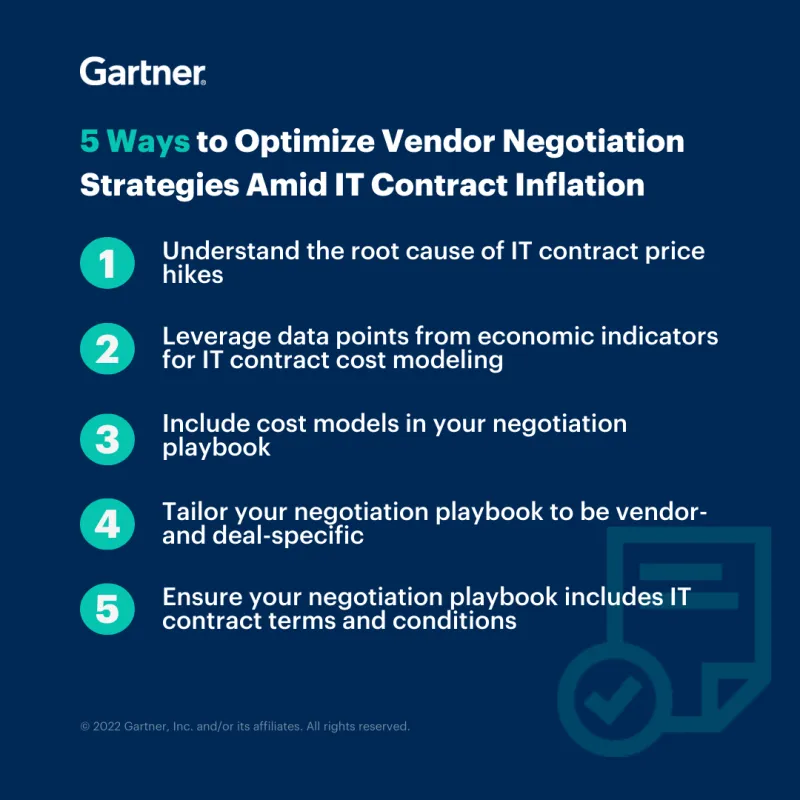
Locked In and Paying for It: The Architectural and Contractual Mechanics of Enterprise Vendor Dependency
Software Architecture

Locked In and Paying for It: The Architectural and Contractual Mechanics of Enterprise Vendor Dependency

Vendor lock-in is rarely accidental. The contractual structures and architectural choices that bind enterprise clients to single-vendor ecosystems are, in many cases, deliberate features of commercial technology products rather than unfortunate side effects. This article examines the specific mechanisms vendors use to increase switching costs over time and provides a practical approach to negotiating terms and designing systems that preserve long-term technology independence.

Shipping Fast Is Not the Same as Delivering Value: A Hard Look at Enterprise Development Velocity
Enterprise Strategy

Shipping Fast Is Not the Same as Delivering Value: A Hard Look at Enterprise Development Velocity

Across the enterprise landscape, development teams have learned to celebrate speed above almost every other metric — but that celebration often masks a slow accumulation of structural damage. The systems that get built fastest are frequently the ones that cost the most to maintain, extend, and eventually replace. Understanding the difference between velocity and genuine business value is one of the most consequential strategic shifts a technology organization can make.

Architecture Governance Is Broken at Most Enterprises — Here Is How to Rebuild It
Software Architecture

Architecture Governance Is Broken at Most Enterprises — Here Is How to Rebuild It

The architecture review board has become one of the most reliably ineffective institutions in enterprise technology. It consumes significant time, generates substantial documentation, and routinely fails to prevent the structural problems it was designed to catch. Replacing it requires not just new processes but a fundamentally different theory of how technical governance should work inside a large organization.

The Build-or-Buy Decision Is Broken — Here Is How to Fix It
Enterprise Strategy

The Build-or-Buy Decision Is Broken — Here Is How to Fix It

The conventional wisdom that buying commercial software is faster, cheaper, and lower-risk than building custom solutions has calcified into an enterprise default that frequently produces the opposite outcome. As vendor pricing models grow more aggressive and off-the-shelf platforms accumulate limitations that constrain competitive differentiation, the real cost of choosing wrong has never been higher. This article provides a structured framework for making the build-or-buy decision with clarity

Instrumented but Blind: Closing the Enterprise Observability Intelligence Gap
Software Architecture

Instrumented but Blind: Closing the Enterprise Observability Intelligence Gap

Most enterprises today generate more telemetry data than ever before, yet their engineering teams still spend hours — sometimes days — diagnosing production incidents. The problem is not a shortage of monitoring tools; it is the absence of a coherent observability architecture designed to produce understanding, not merely data. This article examines why visibility and intelligence are fundamentally different capabilities, and what it takes to build the latter.

Microservices Are Not a Strategy: An Honest Guide to Enterprise Readiness
Software Architecture

Microservices Are Not a Strategy: An Honest Guide to Enterprise Readiness

Microservices have become one of the most cited architectural ambitions in enterprise technology planning — and one of the most frequently misapplied. The distributed architecture model offers genuine advantages for organizations that are genuinely prepared for it, but the prerequisites are demanding, the failure modes are costly, and the industry conversation has not always been honest about either. This piece offers a clear-eyed assessment of what enterprise readiness for microservices actuall

Deferred and Dangerous: The True Enterprise Cost of Accumulated Technical Debt
Enterprise Strategy

Deferred and Dangerous: The True Enterprise Cost of Accumulated Technical Debt

Technical debt rarely announces itself with urgency — it accumulates quietly, one shortcut at a time, until a routine deployment triggers a company-wide crisis. For enterprise organizations, the financial and operational consequences of deferred architectural decisions can be staggering, often dwarfing the original cost of doing the work correctly. This article examines how debt compounds, what it truly costs, and how leadership teams can build a credible remediation strategy before the bill com

API-First Is No Longer a Best Practice — It Is a Competitive Prerequisite
Software Architecture

API-First Is No Longer a Best Practice — It Is a Competitive Prerequisite

Enterprise software teams that continue to treat API design as an afterthought are quietly ceding ground to competitors who have restructured their development practices around connectivity and composability. In 2025, API-first architecture is not a technical preference — it is a business strategy with measurable impact on speed, cost, and market responsiveness.

When Your Greatest Technology Investment Becomes Your Biggest Operational Risk
Enterprise Strategy

When Your Greatest Technology Investment Becomes Your Biggest Operational Risk

Companies that poured significant resources into proprietary enterprise software a decade ago are now confronting an uncomfortable reality: those systems may be quietly eroding competitive advantage rather than sustaining it. Understanding the warning signs and knowing when to intervene can mean the difference between managed evolution and costly crisis.

What Your Legacy Systems Are Really Costing You — And Why Modernization Is the Smarter Investment
Enterprise Strategy

What Your Legacy Systems Are Really Costing You — And Why Modernization Is the Smarter Investment

Most organizations treat legacy system maintenance as a fixed cost of doing business — a line item to be managed rather than eliminated. A closer examination reveals that the true financial burden of patching aging infrastructure routinely dwarfs the investment required for comprehensive modernization. For CTOs and CIOs navigating budget conversations with executive leadership, understanding this calculus is no longer optional.

Five Architecture Patterns Every Enterprise Engineering Team Must Master in 2025
Software Architecture

Five Architecture Patterns Every Enterprise Engineering Team Must Master in 2025

Building enterprise applications that hold up under real production load requires more than clean code and capable engineers — it demands deliberate architectural choices made before a single line is written. These five patterns have proven themselves across high-stakes deployments and are increasingly non-negotiable for US enterprises navigating demanding performance, compliance, and scalability requirements in 2025.